Menopause & Alcohol: Flush or Blush? Here's how to tell.

If you’ve ever taken a sip of wine and suddenly felt your face and neck light up in bright, blotchy red, you know the moment can be equal parts alarming and confusing. Lately, My wife has been experiencing exactly this. And while it’s not dangerous, it’s definitely noticeable—sometimes a little embarrassing—but completely normal during menopause.
So, what’s going on here?
Alcohol and Menopause: Why Your Body Suddenly Reacts Differently
During menopause, hormonal changes—especially falling oestrogen—can make the body react differently to things it used to handle easily. Alcohol can trigger blood vessel changes, leading to redness, and for some women, it can also cause a blotchy, rash-like reaction that wasn’t there before.
This reaction is different from a hot flush. Hot flushes tend to come with heat, sweating, and temporary redness. What my wife experiences is more of a rash that appears shortly after drinking and lingers, sometimes even after the alcohol is gone. It’s a new, unpredictable side effect that many women notice during menopause.
Why It Can Be Embarrassing
We’ve all been there: a social event, a quiet dinner, or a toast at a wedding—and suddenly, the face and neck are bright red and blotchy. My wife tries to hide it, but it can feel uncomfortable and awkward, especially if people notice.
Possible Reasons This Happens!
Hormonal changes:
During menopause, oestrogen levels drop, and this affects more than just hot flushes. Lower oestrogen can make blood vessels more sensitive and the skin more reactive. This means that things that never caused redness before—like a small glass of wine—can now trigger a noticeable blotchy reaction.
Skin sensitivity:
Menopausal skin often becomes thinner, drier, and more sensitive. Alcohol can irritate the skin, making it appear red or rashey. If your skin is already prone to redness or irritation, this effect can be stronger and more visible.
Alcohol type and quantity:
Not all drinks are equal. Wine and spirits tend to be stronger triggers than beer or non-alcoholic beverages. Even a single sip of something with higher alcohol content may cause the blotchy redness, while lighter drinks may be tolerated more easily.
Alcohol type and quantity:
Not all drinks are equal. Wine and spirits tend to be stronger triggers than beer or non-alcoholic beverages. Even a single sip of something with higher alcohol content may cause the blotchy redness, while lighter drinks may be tolerated more easily.
Other health factors:
Some women develop rosacea during menopause or notice temporary flushing reactions that weren’t there before. Alcohol can aggravate these conditions, leading to more pronounced redness or a rash-like appearance. It’s also possible that caffeine, spicy foods, or stress can make the reaction worse.
How to Manage It!
Keep track of triggers:
Not every alcoholic drink affects your body the same way. Keeping a small diary of what you drink, how much, and the reaction can help identify patterns and avoid the biggest culprits.
Hydrate:
Drinking water alongside alcohol can help keep the skin cooler and reduce irritation. Staying well-hydrated before drinking may also make a noticeable difference.
Cool down:
If the redness appears, a quick solution can be a cool cloth on the face or stepping outside for a few minutes. Some women also find that applying a calming moisturiser or aloe vera gel helps reduce blotchiness.
Adjust alcohol intake:
Smaller sips, spacing drinks out, or choosing beverages that are less likely to trigger a reaction can make social situations more comfortable.
Speak to a doctor:
If redness or rash-like reactions become frequent, severe, or uncomfortable, consulting a healthcare professional is wise. They can rule out underlying conditions like rosacea or other skin sensitivities and give personalised advice for managing symptoms.
Other Menopause and Alcohol Symptoms
Alcohol can interact with menopause in several ways beyond redness. Many women notice new or stronger reactions that weren’t present before:
- Hot flushes and sweating: Alcohol can trigger or worsen hot flushes, making the skin feel uncomfortably warm. Even a small glass of wine or a cocktail can suddenly turn a casual evening into a sweaty, flushed experience.
- Sleep disruption: Menopause already affects sleep, and alcohol can make it worse. While it might help you fall asleep initially, it can lead to lighter sleep, frequent waking, or poor-quality rest. Over time, this can leave you feeling more tired and irritable.
- Mood swings: Hormonal changes during menopause can make emotions more volatile, and alcohol can amplify this. Even a small amount may make irritability, anxiety, or low mood more noticeable, leaving some women feeling more sensitive or emotionally “on edge.”
- Digestive issues: Menopause can affect digestion, and alcohol can increase bloating, heartburn, or stomach discomfort. Some women notice these issues after certain drinks, particularly carbonated beverages, wine, or spirits.
- Changes in alcohol tolerance: Many women find that they become drunk faster or feel stronger effects from the same amount of alcohol they could previously handle. This is a common menopausal shift and can catch people off guard.
- Skin reactions: Beyond redness, alcohol can aggravate conditions like rosacea, dry skin, or itchiness. Menopause makes skin more sensitive, so reactions may appear more severe than before.
- Memory and concentration effects: Alcohol can affect cognitive function, and menopausal women sometimes notice these effects more. Even moderate drinking may make it harder to focus or remember details.
- Increased sensitivity to stress or pain: Alcohol can heighten sensitivity to aches, pains, or emotional stress, which may feel more pronounced during menopause.
Tip: Keeping a small diary of alcohol intake, drink type, and any symptoms can help identify patterns. Over time, this makes it easier to manage reactions and enjoy social situations without surprises.
I asked my wife to share her personal experience with how alcohol affects her — from the first time she noticed it to how she manages it socially. Her answers are raw, honest, and exactly what it feels like to live with this reaction.
“About 12 months ago.”
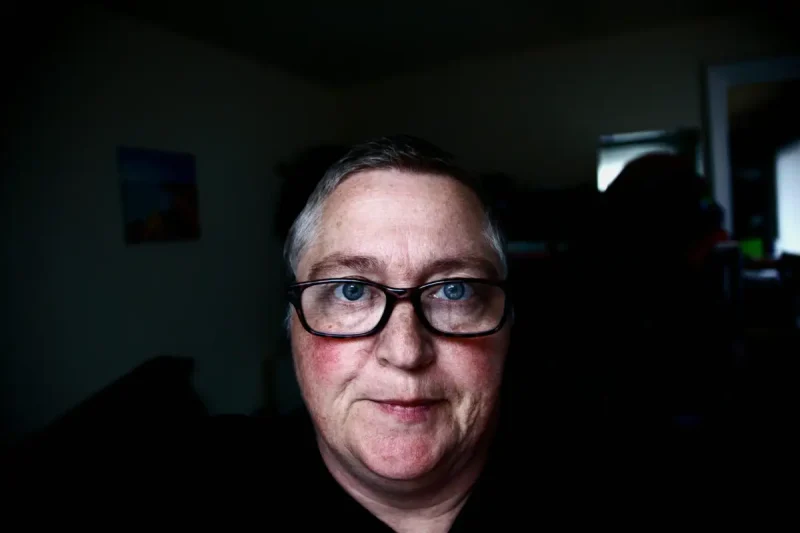
“Physically, it’s like my face suddenly heats up. I get embarrassed because it goes this purple-red colour — hot enough that it looks like I’ve been drinking way too much, which isn’t the case.”
“No. Any alcohol does it.”
“I usually splash cold water on my face and stop drinking.”
“Not really. I’m more aware of it, but it wouldn’t stop me.”
“Nope. I’ve tried different types of alcohol. No tips or tricks yet – still figuring it out!”
Menopause comes with surprises, and alcohol-related skin reactions are just one of them. Understanding why it happens, tracking triggers, and having a few strategies ready can make these reactions easier to manage—and a little less stressful when out in public.
For more information on menopause and alcohol reactions, you can check out: HCF – Alcohol and Menopause.
Written by Shan, 47