Menopause Weight: Why It’s Stubborn and How to Tackle It
The Reality Check
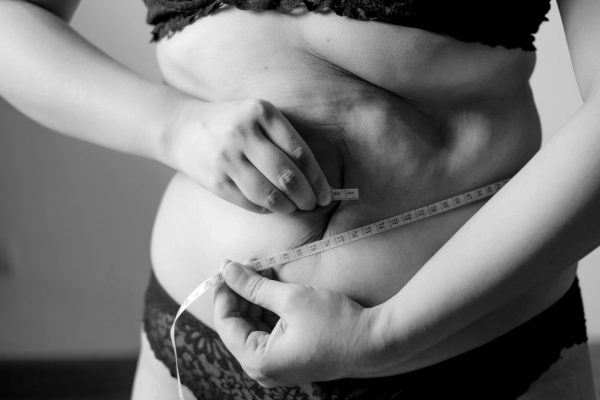
Menopause arrives with many surprises, and stubborn weight gain is one of the biggest. It can feel confusing and frustrating — your habits haven’t changed, but suddenly your body responds differently. Clothes fit tighter, your energy shifts, and your usual health routines don’t work like they used to.
This isn’t a lack of discipline or effort. It’s biology. Metabolism slows, hormones change, and your body begins operating on a new rulebook. Meanwhile, society still throws out “just eat less and exercise more” like that’s the magic answer. It’s not. Menopause weight gain is complex — and you’re not doing anything wrong.
Why It’s So Stubborn
Hormonal Shifts
During menopause, oestrogen levels decline. This affects where your body stores fat, often directing more of it toward the abdomen. This isn’t about willpower — it’s hormonal redistribution.
Slower Metabolism
Your resting metabolic rate drops, meaning your body burns fewer calories by default. You can be eating the same foods you always have and still experience weight gain. The rules change, and your body becomes more efficient at holding on to energy.
Muscle Loss
Menopause naturally reduces muscle mass over time. Muscle burns more calories than fat, even at rest. As muscle decreases, so does calorie burn. Building and maintaining muscle becomes not just beneficial, but necessary.
Practical Steps That Really Help
Strength Training & Yoga
Aim to build strength at least a few times a week. Resistance workouts, body-weight movements, or gym routines all help rebuild muscle and keep metabolism active. Yoga supports strength, flexibility, core stability, and stress reduction — a powerful combination for midlife.
Start small if you need to — 10–20 minutes counts.
Prioritise Protein
Higher-protein meals keep you fuller for longer and support muscle maintenance. Include foods like:
- Eggs
- Greek yoghurt
- Lean meats
- Tofu & legumes
- Cottage cheese
- Fish
Spread protein throughout the day — your body uses it better that way.

Support Your Sleep
Sleep affects hunger, cravings, and metabolism. Menopause symptoms like night sweats can interrupt rest, but improving sleep where possible helps with weight regulation. Helpful habits include:
- Going to bed at a consistent time
- Avoiding screens late at night
- Relaxation or breathing routines before bed
Even small improvements make a difference.
Mindful Eating
Menopause can increase emotional eating, especially during fatigue or stress. Pay attention to hunger signals and eating speed. Slow meals, balanced plates, and reducing distracted eating can improve satisfaction and reduce overeating without harsh restriction.
Mindset Matters
Menopause weight gain isn’t a moral failing — it’s a body adapting to a new stage of life. Progress may be slower than in your 20s, and that’s okay. Focus on:
- Consistency over perfection
- How you feel, not just what the scale says
- Strength gained, energy improved, habits built
- Emotional resilience — not punishment or self-criticism
Celebrate wins like:
- Showing up for movement even when motivation was low
- Preparing balanced meals
- Choosing rest without guilt
- Handling cravings with awareness
You deserve kindness in this process.
Menopause weight changes are common, normal, and not your fault. The path to change is steady, not dramatic. Small daily choices create meaningful shifts over time. With strength building, mindful nutrition, better sleep, and a supportive mindset, you can feel strong and in control again.
Your body isn’t working against you — it’s transitioning. Meet it with patience, consistency, and self-respect. You’ve handled harder things before, and you can handle this too.
Written by Shan, 46